



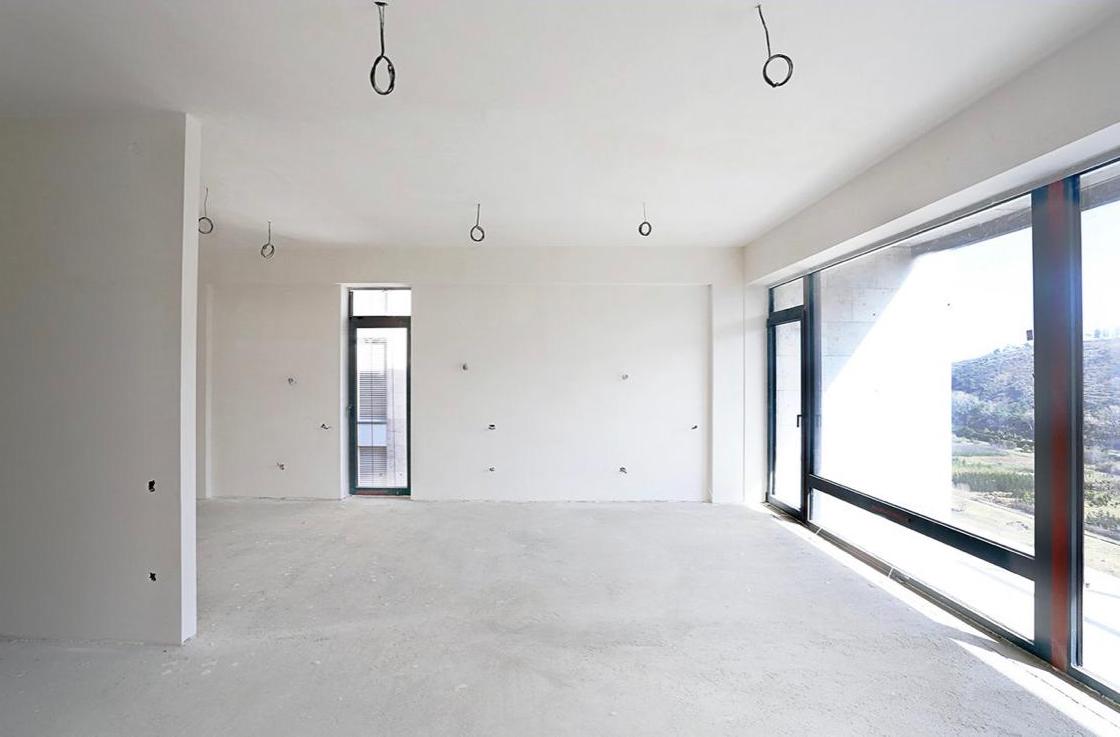
From White Frame to a Finished Apartment: 5 Mistakes That Cost You Money During Renovation
Buying an apartment in a newly built residential complex and receiving the keys to a "white frame" is a moment of great joy, but the real challenge begins right here. An apartment renovation in Tbilisi is frequently associated with unexpected expenses, lost time, and drained nerves. Many believe that controlling costs is a simple task, but practice shows that a process started without proper coordination significantly drives the project over budget.
When it comes to a process as complex as apartment renovations, the main reason for financial loss is usually not the market price of construction materials, but rather poorly planned steps and basic strategic mistakes. If you want your living space to be transformed without unnecessary expenditures, here are the 5 most common mistakes that, if avoided, will save you thousands of GEL.
1. Starting Renovation Without a Clear Plan and Design
The biggest mistake is starting work with the mindset: "Let the builders get in first, start demolition or plastering, and we'll decide where the furniture goes later." If you do not determine the exact functional layout of each room in advance, it is physically impossible to place electrical and plumbing points correctly.
Consequently, when the actual custom furniture production begins, you will discover that a necessary socket ended up hidden behind the refrigerator or a wardrobe, or the kitchen countertop lighting is installed in completely the wrong place. Re-drilling walls, splicing cables, and ripping up tiles always involve double, unforeseen financial expenses.
2. Cutting Costs Where It Is Strictly Forbidden
Optimizing the budget during a renovation is completely normal, but you must know where to draw the line. Changing visual details, such as wallpaper, decorative paint, or laminate flooring in a few years does not present a major difficulty. However, replacing internal wall utilities requires capital expenditures.
Low-quality water pipes, cheap electrical wiring, poorly selected insulation materials, and low-grade plaster mixes are a hidden bomb that can explode at any moment. Even a minor water pipe leak inside a wall can permanently ruin your new, expensive renovation, as well as the neighbor's ceiling on the floor below. Saving money on internal utilities always ends up costing several times more in the long run.
3. Hiring Different Subcontractors Independently and Fragmented Management
A large portion of consumers believe that hiring a painter separately, a flooring specialist separately, and an electrician through another acquaintance's recommendation will save them money. In reality, this turns you into the project manager, a role that demands immense time and professional knowledge.
During a fragmented renovation, no one takes ultimate responsibility. The painter will certainly claim that the wall was plastered crookedly by the previous worker, the furniture maker will complain that the wall corners are not at a perfect 90-degree angle—making it impossible for the wardrobe to fit properly—and the flooring specialist will blame the person who poured the screed. The ideal solution is hiring a single, professional company that takes full legal and qualitative responsibility from "white frame to turnkey delivery" (Turnkey service).
4. Postponing Furniture Planning Until Engineering Works Are Over
Whether it is building furniture or custom furniture production, it should be planned alongside the apartment renovation right from the initial stage. A paradoxical situation occurs frequently: the renovation is finished, walls are painted, flooring is laid, and only then is the furniture designer called to take measurements.
At this point, defects are almost always revealed: it turns out that the wall length is a few centimeters short for a standard, functional kitchen, or the space left for the refrigerator is too narrow. A professional designer and the renovation team must work hand in hand so that the furniture's structural blue prints match the actual construction perfectly.
5. Underestimating the Difficulty of Post-Renovation Cleaning
The final stage of renovation, which is often left completely overlooked, is cleaning. Many assume that once the workers leave, they can easily clean the apartment on their own with family members. However, specific construction dust, dried cement residue, paint droplets, and silicone stains cannot be removed with ordinary household supplies and a wet cloth.
Unprofessional and harsh wiping can permanently scratch new, expensive double-glazed windows, damage tile surfaces, or leave chemical burns on faucets. Post-renovation cleaning strictly requires specialized heavy-duty machinery, industrial vacuum cleaners, and professional chemical solutions that do not damage surfaces.
RenArt's Conclusion: To avoid all these financial risks, the best approach is to use a unified service. When you order apartment renovation, high-quality custom furniture production, and subsequent professional cleaning from a single provider, you receive a single comprehensive warranty. Save your time, your nerves, and get the perfect result without any unnecessary expenditures.